Blog

  • How to Conduct a Market Analysis in 5 Steps?

    How to Conduct a Market Analysis in 5 Steps?

    Navigating the path to success requires more than your intuition. We are past that age. It demands a strategic understanding of your niche market. This understanding is encapsulated in your market analysis.

    Market analysis report is a comprehensive evaluation of various factors that impact your business. It ranges from industry trends and customer behavior to competitor strategies. It involves a systematic examination of data to derive meaningful insights, aiding businesses in making informed decisions.

    Why does market analysis hold such importance in the world of business strategy? Simply put, it serves as the compass guiding businesses through the complex terrain of markets. Recent reports by

    The Business Research Company illuminates a compelling narrative about the global market research services market. As of 2021, the market research services market witnessed substantial growth, catapulting from $69.6 billion in 2016 to $76.37 billion. This journey, marked by a CAGR of 1.87 percent, underscores the industry’s resilience and adaptability.

    The story doesn’t end here; the forecast for the global market research services market points toward even more robust growth. Projections indicate a surge from $76.37 billion in 2021 to a staggering $108.57 billion in 2026. At that point, we are anticipating a compound annual growth rate (CAGR) of 7.29 percent! This spike hints at the increasing recognition of the pivotal role that market research plays in shaping businesses across the globe.

    Now, armed with this backdrop, let’s delve into the five steps of conducting an effective market analysis.

    effective market analysis.

    Step 1: Define Your Business and Goals

    The foundational step in conducting a comprehensive market analysis is to crystallize your business objectives. Clearly articulate what your business aims to achieve in the short and long term. This involves defining specific, measurable, achievable, relevant, and time-bound (SMART) goals.

    Market analysis in a business plan requires you to have a precise understanding. What do you want to achieve? Expand your market share, launch a new product, or enhance brand visibility? Answering these questions sets the stage for effective market analysis.

    Once your business goals are in focus, turn your attention to identifying your target audience and market segments. Pinpoint the demographic, geographic, psychographic, and behavioral characteristics of your ideal customers. This step tailors your products or services to meet the specific needs and preferences of your audience.

    Step 2: Gather Relevant Market Data for Your Niche Market

    This involves scrutinizing the key players, market dynamics, and emerging trends in your niche. Industry research reports are invaluable tools that provide a panoramic view of your niche market. Explore the significance of these reports in market dynamics, forecasting trends, and identifying potential challenges. A meticulous analysis of these reports equips you with the insights you need to stay ahead of competition.

    Gathering market trends in your business plan helps you gain insights into the strengths, weaknesses, strategies, and market positioning of your competitors.

    Step 3: Understand Your Customer Needs and Preferences

    Engage directly with your audience by conducting customer surveys. You need to craft effective surveys that delve into the needs, preferences, and expectations of your customers. This step builds a customer-centric approach, aligning your offerings with the desires of your target market.

    Understand the key components of these surveys and how they contribute to gauging customer contentment. A satisfied customer is a relationship that can be nurtured for long-term success. Learn how to effectively analyze this feedback to unearth actionable information.

    Step 4: Evaluate Your Competitor Landscape

    Yes, you know the names of the competitors in your industry. But do you know why customers pick them over your brand? Identifying your competitors involves understanding their strengths, weaknesses, strategies, and market positioning.

    Start by conducting thorough market research to identify businesses that offer products or services similar to yours. Look beyond direct competitors to those with overlapping offerings. You can easily leverage your Google search engine and social media platforms to gather insights. Industry reports, market analysis tools, and competitor tracking software provides you with valuable data on market players.

    Pay attention to customer reviews and feedback. Closely watch businesses frequently mentioned by your target audience. This grassroots approach reveals competitors that might not be apparent through traditional market research.

    Explore industry associations, conferences, and events. Participation in these forums also helps you identify key players and provides a glimpse into their strategies and market presence.

    Delve into SWOT analysis as applied to your competitors. Identify their strengths and weaknesses to gain insights into areas where your business can capitalize and areas where caution is advised. Analyze external factors that could impact your business and discover how to position yourself strategically in response to these influences.

    Step 5: Compile a Comprehensive Market Analysis Report

    Creating a well-organized market analysis report helps you present insights in a clear and actionable manner. This structured approach ensures that stakeholders can easily grasp key information and act based on the analysis. Here’s a breakdown of the key sections:

    • Introduction: Provides a brief overview of the purpose and scope of the market analysis. Clearly state the objectives and goals of your report.
    • Industry Overview: Presents a detailed overview of the industry, including its current state and historical trends. Highlight key industry players, market size, and major developments in your niche.
    • Customer Analysis: Dives into the characteristics and behaviors of your target customers.
    • Competitor Analysis: Offers a comprehensive analysis of identified key competitors. Explore their strengths, weaknesses, opportunities, and threats (SWOT analysis). Assess their market share, strategies, and competitive advantages.
    • Market Trends and Projections: Examines current market trends affecting your industry. Provide data-backed projections for future market developments.
    • Recommendations and Strategy: Summarizes key findings and insights from the analysis. Propose actionable recommendations for your business strategy based on the assessment.
    business strategy

    Conclusion

    Market Analysis is not a one-time activity but an ongoing process you need to adapt in a dynamic market. A well-informed business plan makes a successful brand. Become the “it” brand today.

    Ready to elevate your brand?

    Explore comprehensive insights and expert assistance at Researchers.me. Your time is now!

  • Research of Data Analysis and Different Types of Analysis

    Research of Data Analysis and Different Types of Analysis

    At its core, data analysis is the art and science of transforming raw data into actionable insights. It’s the process of turning vast streams of information into a meaningful narrative that businesses leverage to make smarter choices.

    Now, more than ever, businesses are realizing that the difference between success and uncertainty lies in their ability to make informed decisions. Just look at the statistics. The global big data analytics market is valued at a staggering $307.52 billion, with projections pointing toward $745.15 billion by 2030. 91.9% of organizations have already reaped measurable value from their investments in data and analytics in 2023.

    As businesses venture into this data-driven frontier, they’re investing in a paradigm shift. This shift empowers them to innovate, adapt, and thrive in an era where data is the cornerstone of strategic decision-making.

    Let’s embark on a journey to unravel the world of data analysis, and lit the way to success in your businesses.

    Types of Data Analysis in Research

    There are two major classifications of data analysis: Quantitative data analysis and Qualitative data analysis. There are several types of data analytics process under each class.

    Quantitative data analysis

       A. Descriptive Analysis

    Descriptive analysis is the starting point of your data journey. It involves summarizing and presenting data in a meaningful way. This process includes measures of central tendency, such as mean, median, and mode. We use histograms, pie charts, and bar graphs as storytellers, illustrating patterns, trends, and distributions.

    Descriptive analysis

    You can leverage descriptive analysis to understand your consumer demographics, preferences, and purchasing behavior. A retail giant would use this approach to create customer profiles based on buying patterns, which helps tailor their marketing strategies.

       B. Inferential Analysis

    Inferential analysis takes the insights gained from descriptive analysis and extends them into the future. It allows us to make predictions, draw conclusions, and unravel the mysteries hidden within the data.

    Inferential analysis helps you make predictions and decisions beyond the observed data. An example is when you have survey results from a thousand customers (your sample), and you want to infer whether these findings hold true for your entire customer base (the population).

    Statistical techniques used for inferential analysis include:

    • Hypothesis testing,
    • Regression analysis, and
    • Confidence intervals.

       C. Exploratory Data Analysis (EDA)

    Imagine you’re handed a treasure map without any clues about where to dig. That’s where Exploratory Data Analysis (EDA) comes in—a compass, a magnifying glass, and a flashlight all rolled into one. Its primary role? To unearth hidden patterns, relationships, and potential treasures within your dataset.

    Techniques and Tools Used for EDA

    • Descriptive Statistics:  the initial encounter with the data involves summarizing its main characteristics—mean, median, mode, standard deviation, and more.
    • Data Visualization: Charts, graphs, and plots turn raw numbers into visual stories. Think histograms, scatter plots, and box plots.
    • Correlation Analysis: Is there a connection between increased marketing spend and higher sales? Correlation analysis holds the answer.
    • Clustering: EDA reveals groups or clusters within the data, grouping similar observations together. This can lead to the discovery of distinct customer segments, for instance.
    • Outlier Detection: Unusual data points that don’t conform to the expected pattern may hide crucial insights or indicate errors. EDA spots these outliers.

       D. Predictive Analysis

    This sophisticated technique ventures into the future, and allows your business to forecast trends and outcomes. In healthcare, predictive analysis foresees disease outbreaks and patient trends, optimizing resource allocation. In finance, it aids in risk assessment and fraud detection, providing a shield against financial uncertainties.

    Retailers utilize predictive modeling to forecast consumer preferences, ensuring your shelves are stocked with what customers desire.

    Qualitative Data Analysis

    Qualitative data plays a vital yet, often underestimated role. Qualitative data adds the human touch to analysis, providing depth and context to numerical findings. It encompasses non-numeric information like text, audio, images, or video. These reflect the intricacies of human experiences, attitudes, and behaviors.

    The characteristics of qualitative data lie in its subjective nature. It thrives on the richness of details, allowing researchers to explore the why and how behind data points.

    Methods in Qualitative Data Analysis

    Content Analysis

    Content analysis scrutinizes textual or visual data to identify patterns, themes, and meanings. By systematically coding and categorizing content, researchers unveil latent insights. This method proves invaluable in examining large volumes of data, making sense of diverse narratives.

    Thematic Analysis

    Thematic analysis involves identifying, analyzing, and reporting patterns within qualitative data. Datasets are distilled into “themes”. This method provides a structured approach to uncovering recurrent ideas or concepts. Thematic analysis lends itself well to a variety of research questions, making it a versatile tool to have in your toolkit.

    Thematic analysis

    Tools and Software for Data Analytics Process

    Data Analysis is carried out by an array of specialized tools. We only mentioned the three most used softwares.

    Excel

    Microsoft Excel stands as a stalwart, wielding its spreadsheet prowess. Excel is the starting point for many analysts. It offers features for data entry, manipulation, and basic analysis. From pivot tables to formulas, Excel is a foundational toolkit for almost every data analyst.

    Python and R

    As the demand for more sophisticated analyses grows, programming languages like Python and R have emerged as powerful tools. Python is versatile and extends beyond general-purpose programming to data manipulation. They also perform analysis through libraries like Pandas and NumPy.

    R, on the other hand, caters specifically to statisticians and data scientists. It is the ideal tool used by experts for statistical modeling and visualization.

    Data Visualization Tools

    Tableau, Power BI, and Google Data Studio offer intuitive interfaces for creating interactive dashboards and reports. These tools empower analysts to communicate findings effectively, turning complex datasets into stories that resonate.

    Challenges and Considerations in Data Analysis

    As data analysis becomes integral to decision-making, confronting bias is paramount. Biases, whether implicit or systemic, skew results. Analysts must be vigilant in recognizing and rectifying biases in datasets, ensuring that insights derived are fair and representative. Employing diverse perspectives contributes to a more comprehensive understanding and mitigates  bias.

    Another bone of contention is our data security. Amid the data deluge, safeguarding privacy and maintaining security are necessary. With regulations like GDPR and increasing awareness around data breaches, organizations must prioritize protecting sensitive information. Encrypt your data and employ stringent access controls to handle your  data. Balancing the quest for insights with a commitment to privacy builds trust and resilience in the analytical journey.

    Conclusion

    Data analysis is the future. Your business needs a glimpse into this future. Take the next step in your data analysis journey by joining Researchers.me.

    Connect with like-minded professionals, explore cutting-edge insights, and stay ahead in the dynamic landscape of data analysis.

    Don’t just analyze data; be part of a community that shapes the future of analytics. Join Researchers.me today and unlock a world of opportunities!

  • How to Run a Focus Group for Your Business?

    How to Run a Focus Group for Your Business?

    Ever found yourself in a lively discussion, sharing thoughts and ideas with a small group of friends? Well, a focus group is pretty much like that, but in the world of business!

    Picture this: a handful of diverse individuals gathered to spill the tea on their attitudes and opinions about a specific topic. It’s like a brainstorming session with a twist that offers colorful insights businesses can tap into.

    So, let’s unravel the exciting world of focus groups and discover how they add that extra flavor to your decision-making. Ready?

    What are the Benefits of Incorporating Focus Groups into my  Business?

    Here’s why weaving focus groups into your business is a real game-changer:

    It Helps you Gather In-Depth Insights

    A quick survey only scratches the surface, focus groups wield the shovel. They allow you to dig deeper, and ask probing questions that unveil the ‘why’ behind your customers’ opinions. Focus groups create an environment that encourages participants to express themselves freely. You get to observe their body language and interpret non-verbal cues.

    Sometimes, consumers themselves are unaware of their latent preferences. Group discussions and interactions give participants the chance to discover new aspects of their preferences.

    It Enhances Your Product or Service Development

    The traditional approach to product development is a one-way street: businesses creating, consumers consuming. Focus groups in business transform this dynamic by involving consumers in the ideation process. This co-creation process ensures that the end product resonates with your intended audience.

    Imagine having a prototype of your product or service and being able to fine-tune it before its official launch. Anyone would be happy to be presented with such a golden opportunity. Participants offer you feedback on the specific features and functionalities of your product.

    Besides that, waiting for post-launch feedback is a soul-sucking task. Focus groups eliminate this waiting game. What more could you possibly need?

    It Helps Fine-Tune Your Marketing Strategies

    Marketing is both an art and a science. It’s a delicate dance of messaging, channels, and audience connection. Your marketing campaign’s success hinges on how it resonates with your intended audience. Focus groups business marketing provide a direct line to understanding your consumers’ perceptions and receptivity.

    Participants share their interpretations and emotional responses with you. This provides you clarity into your consumers’ media consumption habits and preferences.

    What sets your marketing apart from competitors? A focus group will give you an answer to this critical question. And so much more!

    It Helps Foster Your Customer Engagement

    Understanding what your customers truly desire is akin to holding the key to their hearts. Focus groups create a conversational space where participants openly share their preferences, desires, and expectations. This two-way communication (between your team and the client) is a catalyst for continuous improvement.

    Customers subconsciously acknowledge that their voices shape the evolution of your brand. These satisfied and engaged customers are your gateway to success. They become brand ambassadors, amplifying your business through positive word-of-mouth.

    How to Plan and Prepare for a Successful Focus Group?

    How to Plan and Prepare for a Successful Focus Group

    Identify Your Objectives and Key Questions

    Clearly define what you aim to achieve – whether it’s exploring customer perceptions, refining a product feature, or gauging reactions to a new marketing campaign. Specific objectives help you craft specific questions and in turn, specific feedback.

    Instead of asking, “Do you like our product?” frame it as “What specific features of our product resonate with you, and are there aspects you believe could be improved?”

    Plan the flow of discussion to ensure a natural progression from general topics to more specific ones. Start with icebreaker questions to ease participants into the conversation. Incorporate a mix of question types to elicit different responses. Open-ended questions encourage participants to share detailed insights, while closed-ended questions provide specific data points.

    Before the main performance, conduct a rehearsal with a small, representative group to identify any ambiguities. This prelude ensures that when the curtains rise on the actual focus group, your questions actually say what you mean.

    Select Participants Based on Your Objectives

    Step 1: Begin by clearly defining the demographic and psychographic characteristics of your target audience. Consider factors such as age, gender, occupation, interests, and purchasing behavior. Your participants should mirror the diverse personas of your broader customer base.

    Aim for a mix of participants that reflects various perspectives and experiences. Diversity manifests in different ways –

    • Cultural backgrounds,
    • Geographic locations,
    • Usage patterns, and
    • Familiarity with your product or service.

    If you’re exploring the appeal of a beauty product, participants with varying skincare routines and preferences would provide comprehensive insights.

    comprehensive insights

    Step 2: Leverage social media, online communities, or existing customer databases. Ensure that your recruitment channels align with the preferences and habits of your target audience.   

    Step 3: Develop a set of screening criteria to identify participants who align closely with your objectives. This involves pre-screening surveys or interviews to assess their suitability. Aim for a balance that fosters open communication. Assess existing relationships among participants to ensure a comfortable and collaborative atmosphere.

    The ideal size of your focus group depends on your research goals. A smaller group facilitates in-depth discussions, while a larger one can generate diverse opinions. Strive for a size that allows every participant to share their views without overwhelming the dynamics.

    Step 4: Acknowledge the value of participants’ time and insights by offering appropriate incentives. These could range from monetary compensation and gift cards to exclusive access or early previews of products.

    Lastly…

    Anticipate the unexpected. Maintain a list of alternate participants in case of last-minute cancellations. This ensures that your focus group remains robust and representative, even in the face of unforeseen changes.

    Factor in Logistics and Venue Considerations

    Select a venue that aligns with the nature of your discussion. It could be a physical meeting space, a virtual conferencing platform, or a combination of both. If it’s a physical location, assess its proximity to public transportation and parking facilities. For virtual sessions, provide clear instructions and technical support to guarantee seamless access.

    Whether in-person or virtual, the atmosphere sets the tone for the discussion. Arrange the physical space or digital interface to be inviting. Pay attention to factors like lighting, seating arrangements, and background visuals for virtual sessions.

    For virtual focus groups, verify the technical aspects in advance. Confirm that the chosen platform supports the desired features, such as video conferencing, screen sharing, and breakout rooms. Conduct a pre-session tech check with participants to iron out any potential glitches.

    If your Focus Group involves an in-person gathering, consider providing refreshments. A well-nourished group is likely to be more engaged. For virtual sessions, encourage participants to have their favorite beverages and snacks on hand. It adds a touch of comfort to the virtual experience.

    Choose a time that suits the schedules of your target audience. Be mindful of time zones for virtual sessions involving a diverse group.

    Conclusion

    We encourage you to embrace focus groups for informed decision-making. Seize this opportunity to refine your products, fine-tune your strategies, and foster stronger customer relationships.

    Ready to Take the Stage? Visit Researchers.me to Elevate Your Research Game!

    With Researchers.me, you have a front-row seat to a community of skilled researchers and experts. Connect with professionals, and embark on a journey of continuous improvement.

  • Importance Of Market Research In UAE

    Importance Of Market Research In UAE

    Since 2009, the United Arab Emirates (UAE) has been the largest market for American exports to the Middle East and Africa. More than 1,500 American businesses operate out of the UAE, which serves as a worldwide center for trade with the Middle East, Africa, Europe, and Asia. The economy of the United Arab Emirates is vibrant and rapidly diversifying as it strives to become a knowledge economy.

    Almost every market niche in the UAE is expecting a boom in the coming years. The fragrance market, genetic testing market, ICT market, and of course, the fashion industry. UAE is the global market hub of the future, and you want to be here for it. The competition for market share in the coming years will be fierce. Everyone wants their business to survive. But you need yours to live. That’s why you’re here. You need in-depth industry research to tackle all the challenges that might arise.

    Industry Research in UAE

    The COVID-19 pandemic is always going to come up in a conversation about the current state of the economy. Nations all around the world implemented fresh and creative strategies to address the economic obstacles that result from the lockdown. The governments of the six Gulf Cooperation Council (GCC) economies—among which the UAE is one—showed a renewed sense of urgency to advance their agendas of economic diversification, expansion, and competitiveness.

    The UAE has led the way in implementing programs to support SMEs, entrepreneurship, and private company investments—particularly foreign investment—in order to achieve its objectives for economic diversification. In the Global Entrepreneurship Index (GEI) 2020, the UAE ranked first in the Middle East and fourth worldwide as a result of these initiatives.

    Surprisingly, the UAE has outperformed a number of important international economies, including those of the US, Canada, the UK, Australia, China, Japan, and South Korea.

    Industry market research is a comprehensive examination of a particular sector, providing a detailed understanding of its dynamics, challenges, and opportunities. With the state of economical development in the UAE, you need the competitive edge. Especially if your business is in sectors like real estate, tourism, and technology.

    Conducting industry research involves evaluating the:

    • Market size,
    • Key players,
    • Regulatory frameworks, and
    • Emerging trends.

    Importance of Industry Research Reports

    Industry research reports offer structured insights derived from meticulous analysis. These reports encapsulate the current state of an industry and shed light on critical aspects that shape strategic decision-making. They provide you with –

    • Actionable intelligence,
    • Insights into market trends,
    • Insights into arising challenges, and
    • Firsthand knowledge on emerging opportunities.
    Importance of Market Research in UAE-01


    Types of Industry Market Research

    In-person Interviews

    When market research organizations first started out, they would ask random individuals on the street about the periodicals and newspapers they usually read. They’d ask whether these people could remember any advertisements or brands that were featured in the papers. And this is the origin story of Industry Market Research. Information gathered from these interviews were contrasted with the circulation of the paper. This was done to gauge the effectiveness of those advertisements.

    Focus Groups

    This is a small group of representative customers selected to view an advertisement or test out a product. The group is then questioned about their opinions on the product, the company’s brand, or rival items.

    After that, the business considers the information and decides whether to release the goods or services, make adjustments, or give up on it completely.

    Phone Calls

    The telephone interview quickly replaced the man-on-the-street method of interviewing candidates. An information gatherer by phone could do the job more quickly and affordably.

    For many years, a market researcher’s favored method was phone research. However, as landline phone coverage has decreased and been replaced by mobile phones, it has gotten considerably harder. Phone numbers are not as accessible as they used to be.

    Surveys

    Surveys are a more affordable option than focus groups for finding out what consumers think without having to do in-person interviews. Surveys are mailed to customers, typically together with a discount code or voucher to encourage response. These polls aid in ascertaining consumer sentiment regarding the brand, product, and pricing range.

    Internet-Based Market Analysis

    Market research efforts have moved online as more individuals spend time on the internet. A survey-style form is still used for data collection. However, anyone can opt to sign up, complete surveys, and provide feedback whenever they have time, rather than businesses actively seeking participants by locating them on the street or by cold contacting them on the phone.

    How to Conduct an Effective Industry Research

    Powerful market research survey software is used by researchers today to perform thorough research under a single platform. This allows you to extract m actionable findings more quickly and with fewer issues. The procedures for carrying out efficient market research are as follows.

    Importance of Market Research in UAE-02


    Step 1: Identify the Issue

    Always ask yourself questions if your research topic is clearly stated. To determine whether the questions are going to be clear and sufficient to produce insightful results, run a small-group marketing test first. A clear and concise description of the information required, together with a plan for obtaining it, should be included in your research objectives. You ought to be able to respond to the query, “Why are we conducting the research?”

    Step 2: Define the Sample

    Use a representative sample gathered using a variety of sampling procedures, to conduct market research. A representative sample is a small group of individuals who, to the best of their ability, represent a broader group.

    Step 3: Collect Data

    You will need a tool for collecting data to carry out this step. Errors in the research results from failure to complete or insufficient response to a survey. This can be avoided with proper data collecting.

    Step 4: Examine Data Collected

    Every step in the market research process is connected to every other step. Even if everything above is done perfectly, if the outcomes are not accurately analyzed, the decisions that follow will not be the right ones. Finding answers requires in-depth research that is done without leaving any gaps.

    Step 5: Create Your Industry Research Report

    When presenting the findings, concentrate on the following: what is the purpose of this research report? A common mistake made by researchers is to display the reports in the same sequence as their questions. Storytelling has more potential to pass your message across.

    Once all the steps above have been executed diligently, your report is ready and the next step is to act and implement what you found out!

    Conclusion

    Our business landscape is evolving, and as we have seen, it’s evolving much faster in the UAE. Don’t put yourself at risk by playing “tag in the dark” with your business. Make informed decisions and secure your future in the industry.

    Contact the experts at Researchers.me — a solution is always right around the corner.

  • Customer Satisfaction Surveys: Why is it Important?

    Customer Satisfaction Surveys: Why is it Important?

    Customer satisfaction surveys are substitutes for conversations you’d have with your customers. They help you understand how your clients feel about your products or services. Imagine it as a friendly chat that unveils valuable insights into their experiences.

    Customer Satisfaction Surveys: Why is it Important?-01

    Why does this matter? Well, knowing how satisfied your customers are is like having a secret recipe for business success. This presents you with the liberty to create an experience that keeps them coming back. Allowing your consumers to voice their opinions helps you get ideas for new products or services.

    Besides, maintaining current clients is far less expensive than acquiring new ones. Now, let’s dive into why deciphering customer satisfaction is the real game-changer for your business.

    The Essence of Customer Satisfaction Surveys

    Customer satisfaction in enterprises has existed for as long as we have transacted for one product or service. Merely asking customers about their purchases is a form of customer satisfaction survey. But eventually, we needed a form of uniformity in how these surveys were conducted.

    The University of Michigan‘s National Quality Research Center (NQRC) brought clarity to manufacturers and consumers. They developed the American Customer Satisfaction Index as a common way to gauge customer satisfaction. This index assisted in assessing the caliber of goods that Americans were consuming.

    Thousands of customers were asked for their opinions. This study covered a number of goods, and adequate time was allowed for assessment and analysis prior to the release of a conclusion in the form of the Index.

    Businesses and governmental organizations adopted the ACSI into their planning procedures after realizing its effectiveness. But businesses have also developed their own polls, which they tailor to their needs. Product reviews vary depending on the product. And no two clients are the same, and their demands are met in various ways.

    Importance of Customer Satisfaction Analysis

    Customer satisfaction surveys are conversation starters designed with a distinct purpose. These surveys come in a variety of formats, and operate in unique ways. Nevertheless, despite these differences, all customer surveys share the same purpose. Each of these customer satisfaction survey reports aims to assess and eventually raise your client’s satisfaction. This is ultimately their goal, regardless of how they are framed. They help you:

    Customer Satisfaction Surveys: Why is it Important?-02

    Understand Your Customer’s Sentiment

    These surveys are the pulse-checks of customer sentiment. They delve into the emotional landscape to gauge satisfaction, dissatisfaction, and areas of indifference.

    When a customer has a bad experience, they might not necessarily complain—instead, they simply leave and never return. This is a result the general dislike of starting arguments. However, by encouraging conversation through a customer satisfaction survey, increases the likelihood that a dissatisfied customer will come forward.

    Most importantly, this offers you the opportunity to correct the situation and win the consumer over.

    Identify the Pain Points of Your Target Audience

    You run the danger of making careless modifications that could damage a good thing if you don’t know what’s working. For instance, you might decide to alter a product because you believe its narrow margins are the reason it isn’t making much money. However, a customer satisfaction survey can show that the store’s low-margin product is what draws in a lot of business, acting as a loss leader to bring in extra money.

    Asking the right questions in your surveys unveil the pain points of customers. You get to directly solve their problems, rather than stumble in the dark. If it’s a glitch in service, a product flaw, or a communication hiccup, these surveys bring them to light.

    Build Customer Loyalty

    The ultimate goal is to foster loyalty. Satisfied customers are more likely to become loyal patrons. And once they are attached to your product/service, they’ll recommend it to friends and family too! Customer satisfaction surveys report these surveys pave the way to identify what creates that loyalty.

    Engage customers in discussion and demonstrate that you value their opinions. If you take these suggestions into consideration, your consumers become brand advocates and ambassadors, helping to spread the word about your company and improve its reputation. The most reliable kind of advertising is word of mouth, and it costs nothing at all! All you have to do is earn it.

    Improve Your Brand on a Regular Basis

    Knowing who your target audience is helps you better understand your client base, so always include questions about age, gender, and region. If Gen Z is not making purchases from you, use social media and new kinds of social engagement to reach them.

    Businesses are dynamic entities, and Customer Satisfaction Surveys are the compass for improvement. They offer insights to refine products, enhance services, and elevate the overall customer experience.

    How to get the Best out of Customer Satisfaction Surveys

    To understand your customer sentiments and identify their pain points, you have to make your survey as explicit as possible. Learn to communicate in a way that wills the right answer out of your customers. Here’s a guide on how to extract the best results on your customer satisfaction survey report analysis:

    Craft Clear and Purposeful Questions

    Design questions that are clear, concise, and easily understood. Every question should tie back to the overarching goals of your survey. Whether it’s gauging product satisfaction or evaluating customer support. Ensure each question serves a specific purpose.

    Set a Strategic Survey Cadence

    Choose the right moments to deploy surveys. Consider post-purchase, after customer support interactions, or during key touchpoints in your customer’s journey. Avoid survey fatigue by spacing them appropriately.

    Establish a consistent survey cadence to track changes over time. It could be monthly, quarterly, or tied to specific events. This depends on your company’s requirements.

    Utilize a Mix of Question Formats

    Combine multiple-choice questions, rating scales, and open-ended queries. Incorporate the Net Promoter Score (NPS) question to gauge overall customer loyalty. It’s a simple yet powerful metric that categorizes respondents as promoters, passives, or detractors. This metric score system helps to beef up your customer satisfaction analysis report. That way, there’s no stone left unturned in your survey.

    Leverage Benchmarking Strategies

    Analyze competitor surveys to understand industry benchmarks. Identify areas where you can outperform, adopt successful strategies from successful companies in your niche.

    Encourage Honest and Constructive Feedback

    When customers feel their opinions are safe, they share more candid insights, even if they include constructive criticism. Communicate how customer feedback contributes to positive changes. When customers see the tangible impact of their input, they are motivated to provide thoughtful responses in future surveys.

    Conclusion

    This is what we have been saying all through this article: take action to keep your consumers! It’s now much simpler for them to conduct a Google search and discover your competition. And it’s much more difficult to persuade them to return once they have left.

    Researchers.me makes it easy for you to scale this hurdle with ease. Speak with marketing experts today and give your business a better chance!

  • The Secrets of Successful Brand Awareness Surveys

    The Secrets of Successful Brand Awareness Surveys

    Picture this – you stroll into a crowded marketplace, surrounded by an array of stalls and signs vying for attention. Suddenly, a familiar logo and a catchy tagline grab hold of your wandering gaze, sparking a memory. You know this brand, but how did it etch itself into your mind?

    The answer lies in brand awareness, a concept that holds the key to your business’s triumph. Brand awareness survey is a potent tool that lifts the veil on the unpredictable minds of consumers.

    In this exploration, we embark on a journey to understand the essence of brand awareness surveys, unlocking the secrets that empower businesses with unparalleled insights. Let’s dive into the very fabric of brand awareness and its indispensable role marketing.

    Key Components of Successful Surveys

    Building a successful brand awareness survey requires a thoughtful assembly of key components. Each component serves as a pillar, contributing to the overall strength and reliability of the survey structure. Here are the essential components that pave the way for success:

       A. Clear Objectives

    Setting clear objectives is the compass that guides the journey of brand awareness surveys. Before you embark on a survey, define your goals with precision. What do you aim to unravel about your brand’s perception in the minds of your audience? Are you seeking insights into unaided recall, aided recall, top-of-mind awareness, or perhaps the layers of brand recognition?

    The journey begins by outlining the specific areas of focus in your brand awareness survey. Do you want to measure the effectiveness of recent marketing campaigns? Gauge the impact of brand exposure initiatives? Or delve into the nuances of consumer sentiments? Defining these survey goals shapes the questions you’ll ask and also lays the foundation for the data you extract.

       B. Target Audience Identification

    The success of your survey depends on a deep understanding of your audience. It ensures that every step, or in this case, every question, resonates with them. Knowing the demographics of your audience sets the tone for your brand awareness survey. Age, gender, location, and other demographic details – these allow you to tailor questions with precision.

    Understanding the intricate moves of your audience involves delving into psychographics. What are their preferences, values, and lifestyle choices? Investigate their purchasing patterns, decision-making processes, and product preferences.

       C. Survey Design

    The questions you pose and the format you choose are the intricate steps that guide respondents through the survey. Here’s how to choreograph a survey design that elicits accurate responses:

    • Clear, concise questions are the foundation of a well-designed survey. Avoid ambiguity and jargon. Ensure that every question is easily understood.
    • Your survey should have a structured flow that guides respondents logically from one question to another. Begin with easy, non-intrusive questions before delving into more complex inquiries.
    • Diversify your question types to maintain respondent engagement. Mix closed-ended questions for quantitative data with open-ended questions that invite qualitative insights.
    • Craft questions with an awareness of potential biases. Employ techniques like randomizing answer choices and utilizing both positively and negatively framed questions to mitigate bias.

       D. Multi-Channel Approach

    Digital ads are projected to account an 80% increase in your brand awareness. What does this mean? Carrying out regular surveys also exposes new customers to your brand. And there’s a 59% chance that they’ll seek out your brand when in need of what you sell. A multi-channel approach ensures that your survey reaches a diverse audience and gathers insights from various perspectives. Here are some of the channels you can use to collect data for a comprehensive brand awareness survey report.

    • Social media platforms like Facebook, Instagram, Twitter, and LinkedIn. These made up for 33% of digital ads spending in 2022. Craft visually appealing snippets to grab attention and provide direct links for seamless participation.
    • Utilize email to invite respondents to participate. Craft personalized messages, explaining the importance of their insights in shaping the brand narrative.
    • Integrate the survey into your website, ensuring easy access for visitors. Pop-ups, banners, or dedicated survey pages spotlights the survey.
    • If feasible, consider in-person surveys at events, stores, or relevant locations. This captures the essence of audience reactions in real-time.
    • Collaborate with partners and influencers to perform a “pas de deux” with your survey. Influencers extend the reach to their audience, adding a layer of credibility. Ensure that the survey aligns with their brand and resonates with their followers.
    • Traditional channels like print, radio, or even television play a role in your survey distribution.

    Question Formulation Strategies

    Incorporating effective question formulation strategies into your brand awareness survey method transforms it into an insightful exploration. It helps you uncover the depths of consumer perception and recognition.

       A. Unaided vs. Aided Awareness Questions

    Let’s unravel the difference between these two types of questions and understand when to deploy each in your Brand Awareness Survey.

    Unaided Awareness Questions

    These questions let respondents showcase their unassisted recall of your brand. It’s like asking them to name a favorite song without any hints – the response reflects pure, unprompted recognition.

    When to Use

    Deploy unaided awareness questions when you want to measure the spontaneous brand recall of your audience. This provides insights into how deeply your brand has etched itself into their memory without any nudges.

    Aided Awareness Questions

    These questions, on the other hand, provide respondents with options or cues to jog their memory. It’s akin to giving them a playlist and asking if they recognize any of the songs – a bit of assistance to prompt recognition.

    When to Use

    Opt for aided awareness questions when you want to assess recognition with a bit of context. This includes presenting respondents with a list of brands and asking if they’ve come across any. This helps you understand the impact of different exposure channels.

    The Secrets of Successful Brand Awareness Surveys — Likert Scale Implementation helps you the strength of brand recall-01


    The Secrets of Successful Brand Awareness Surveys -02

    Conclusion

    To sum it all up, brand awareness surveys are invaluable tools in the world of marketing. Through defining clear objectives, understanding your audience, and crafting effective survey designs, you unlock the gateway to comprehensive insights.

    A multi-channel approach ensures your survey reaches diverse corners of your audience, while strategic question formulation. Be it unaided or aided, adds depth to your understanding. These surveys are data points guiding brands toward a more profound connection with their audience.

    Ready to Uncover Your Brand  Identity Survey in UAE?

    Researchers.me is your partner in this journey. Explore innovative survey methods, connect with experts, and elevate your brand awareness strategies. Harness the power of insights and position your brand for success. Join Researchers.me today.

  • How to Create an Effective Market Segmentation Strategy?

    How to Create an Effective Market Segmentation Strategy?

    Ever felt like a product or service just “gets” you? That’s the magic of market segmentation, the secret sauce in the world of targeted marketing. Rather than shouting to the masses, businesses strategically carve out smaller groups within their audience. You understand the quirks, needs, and desires of this small group. It’s like tailoring your message for a friend rather than addressing a faceless crowd.

    In this guide, we dive into all market segmentation entails. We unravel what it is, why it matters, and how businesses use it to speak directly to your heart and needs. Ready? Let’s roll!

    Importance of Market Segmentation

    it’s not magic how your favorite brands know you so well; it’s market segmentation. Let’s unwrap the gift of understanding why market segmentation is a game-changer in the world of personalized marketing.

    It Helps You Understand the Mindset of Your Consumers

    Market segmentation is like peeling an onion, revealing layers of diverse consumer characteristics. It goes beyond simple demographics, considering factors like age, income, and location. The real magic happens when businesses dig deeper… exploring

    • psychographics (think lifestyles and interests),
    • behaviors, and even
    • firmographics for B2B connections.

    It’s about recognizing that your customers aren’t all the same; they’re a dynamic mix of unique individuals.

    It Helps You Intensify Your Marketing Strategy

    Now, let’s talk about effectiveness. Imagine you’re shopping for shoes. Are you more likely to respond to an ad that speaks directly to your love for hiking, or a generic one-size-fits-all shoe promotion? Effective market segmentation ensures that businesses don’t just throw spaghetti at the wall; they aim for the bullseye. By tailoring their strategies to specific segments, they hit the mark with personalized offers, resonating messages, and products that feel tailor-made.

    Allows For Personalized Recommendations

    According to Evergage, 99% of marketing experts believe personalization advances customer relationships. Personalized marketing is the holy grail, and market segmentation is the map leading businesses there. Consumers crave something special. Market segmentation empowers businesses to deliver precisely what each segment desires. Whether it’s customized promotions for fitness enthusiasts or exclusive deals for tech-savvy millennials. Personalized marketing is the love language of brands to their customers.

    The Market Segmentation Process

    A study carried out by McKinsey in 2018 had reported that only 40% of personalized marketing was well targeted. Creating a market segmentation strategy is akin to painting a masterpiece. It requires precision, attention to detail, and a deep understanding of the canvas. Let’s unravel the steps to effective market segmentation.

    Step One: Identify Your Segmentation Criteria

    This is where the journey begins. Your company needs to decide the basis on which to divide their market. Is it demographics like age and income, or perhaps psychographics related to lifestyle and interests? These criteria lay the foundation for a strategy that resonates.

    Step Two: Select the Segmentation Variables That Work for You!

    With criteria in hand, it’s time to choose the variables that will define each segment. Demographic criteria includes age groups, while behavioral variables involve customer loyalty and purchasing patterns. The variables bring nuance to the segmentation, ensuring each slice is distinct.

    Step Three: Conduct Your Market Segmentation Analysis

    Now, it’s crunch time. We dive deep into data, analyzing the characteristics and behaviors of different segments. This analysis is the compass guiding strategic decisions. It unveils opportunities, highlights challenges, and shapes a roadmap for effective engagement.

    How to Create An Effective Market Segmentation Strategy - The Business Model Canvas-01

    Basis of Market Segmentation

    The basis upon which you carve out distinct consumer segments is crucial. Let’s go through the various foundations that underpin effective market segmentation. Each foundation provides a unique lens to understand and connect with your audience.

    Geographic Segmentation

    We now live in a world where borders are blurred by technological advancement. Yet, geographic segmentation still holds immense value. It divides markets based on location, whether by country, region, city, or even climate. For instance, a sunscreen brand might tailor its products differently for sunny regions compared to cooler climates.

    Demographic Segmentation

    Numbers tell stories, and demographic segmentation speaks volumes. Age, gender, income, education – these statistics create segments with common traits. Think of a smartphone manufacturer catering sleek models to tech-savvy young adults. Or durable, user-friendly devices for the older demographic.

    Psychographic Segmentation

    Delving into the psyche of consumers, psychographic segmentation revolves around interests, values, and lifestyles. A classical example is fitness brands targeting health enthusiasts with an active lifestyle. This tailors products and messages to align seamlessly with their values.

    Behavioral Segmentation

    Unveiling patterns and preferences, behavioral segmentation dissects how consumers interact with products. Are they loyal customers, or do they sway with the latest trends? Based on this information , businesses work towards tending to specific needs. Example: an e-commerce platform can offer exclusive deals to frequent shoppers to acknowledge their loyalty.

    How to Craft Quality Market Segmentation Strategies

    Navigating the seas of market segmentation requires a strategic compass. Let’s chart a course through actionable strategies to steer your business towards successful segmentation.

    How to Create An Effective Market Segmentation Strategy - Steps for a Great Marketing Plan-02


    Step One: Identify the Bullseye

    Your target market is a specific pond where your offerings create ripples. Tailor your products or services to meet the distinct needs of this concentrated group. Imagine a fishing rod – casting it with precision ensures a higher chance of a meaningful catch.

    Step Two: Stand out in the Crowd

    While it might be tempting to be everything to everyone, differentiation sets you apart. Highlight what makes your brand unique and cater to specific segments. Just as a gem sparkles among stones, your unique selling propositions should shine in the market.

    Step Three: Learn From the Trailblazers

    Look at successful market segmentation examples. Apple, for instance, targets tech enthusiasts with innovative features while simultaneously appealing to the design-conscious. Emulate these success stories but remember, what works for them needs your unique twist.

    How to Create An Effective Market Segmentation Strategy - Real-World Application of Market Segmentation-03


    How to Create an Effective Market Segmentation Strategy - Challenges & Solutions in Market Segmentation-04


    Conclusion

    As we unveil the intricacies of Market Segmentation, the significance of tailoring messages to specific consumer groups becomes evident. It’s not just about dividing markets; it’s about forging connections, predicting needs, and delivering value with precision.

    Ready to Dive into the World of Targeted Marketing?

    Researchers.me is your compass to market intelligence. Explore our platform to unlock a wealth of insights. Stay ahead of market trends, and elevate your segmentation strategies. Join us on the journey to transform challenges into opportunities and witness the power of personalized marketing with us.

    Craft your path to success – Explore Researchers.me today!

  • What is Competitor Research? A Complete Guide for Startups?

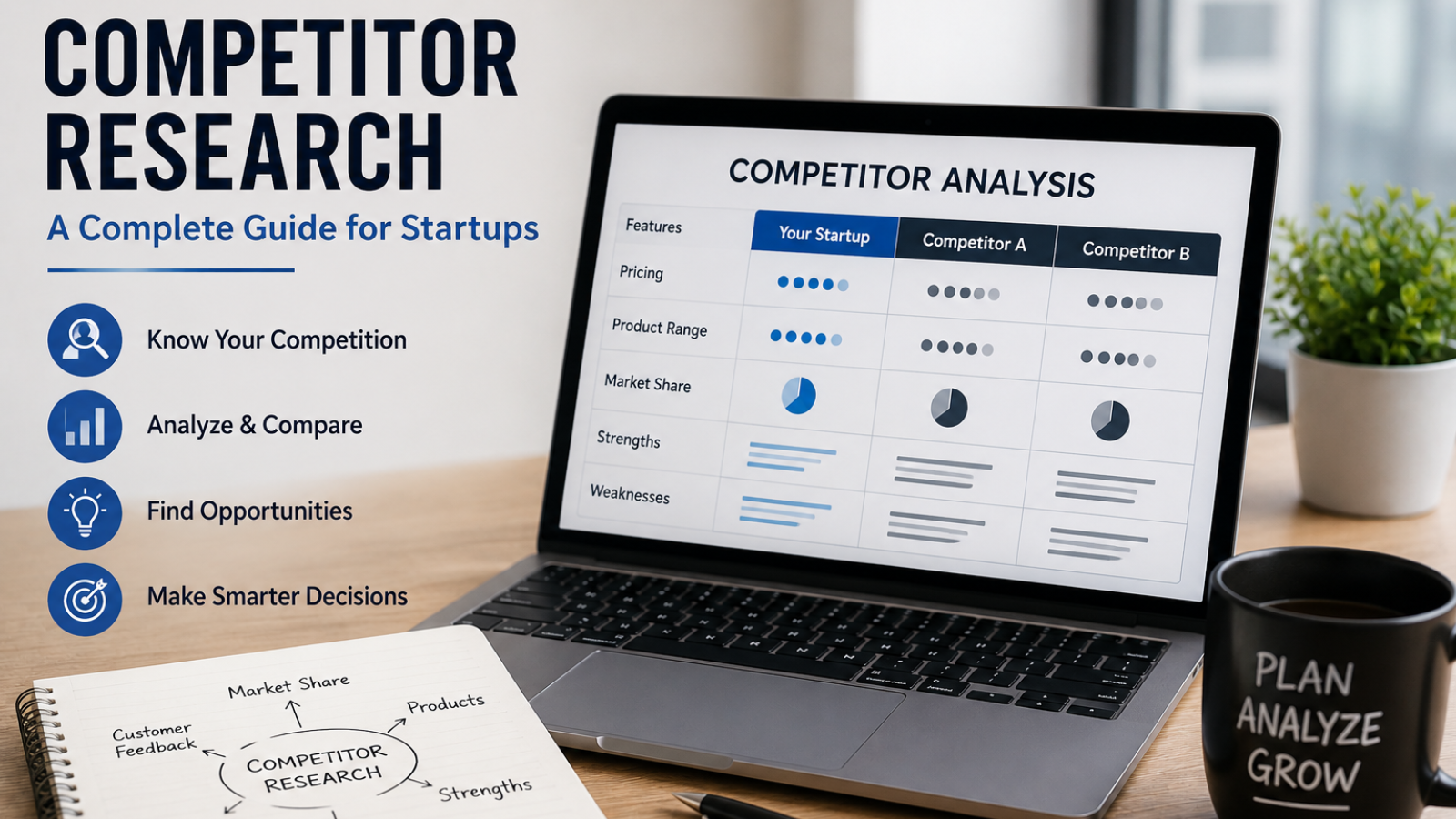
    What is Competitor Research? A Complete Guide for Startups?

    Every move you make as a startup shapes your destiny in your market. Competitor research is the compass that points you in the right direction and unravels the secrets of your competitive landscape. Surveys and research consistently underscore its significance—87% of successful startups attribute their victories to a keen understanding of competitors. In the first ten years of establishment, 65% of new businesses fail.

    Competitor research marketing is the difference between a blindfolded leap and a calculated soar. 73% of startups that conducted thorough competitor analysis reported a noticeable increase in profitability within a year. Do you still doubt what choices you need to make to make that big break?

    As we embark on this journey, remember, knowledge is power. And the power you’re about to gain will propel you past competition and into the stratosphere of success.

    Why Competitor Research Matters?

    The United States Bureau of Labor Statistics reports that the percentage of enterprises that fail grows over time. The majority of the failures occur in the first ten years of operation. The report also informs us that 65% of these startups fail in the first ten years. These failures would have never surfaced if they had embraced Competitor Research Analysis.

    Competitor research helps you gain a panoramic view of your field. It’s the difference between a chess master making each move with purpose and a novice playing blindfolded. The impact is profound – 89% of startups that integrate competitor insights into their strategies experience a significant boost in decision-making efficacy.

    Beyond the tactical advantage, competitor research identifies opportunities that others might miss and mitigates risks before they materialize. Startups leveraging comprehensive analysis frameworks tend to discover new avenues for innovation and successfully navigate potential pitfalls.

    Key Components of Competitor Research

    A competitor research analysis encompasses various components. These are the ingredients that harmonize to make your startup successful. Each component is important; pay close attention.

    Market Share Analysis

    This is the beating heart of Competitor Research. It reveals who holds the melody and who echoes in the background. It’s not merely about size but about influence.  A startup that diligently conducts its market share analysis is more likely to carve a niche for themself. It involves evaluating a company’s revenue in relation to the total market revenue. This exposes market leaders, potential gaps, and hints at opportunities waiting to be seized.

    Product/Service Comparison

    Comparing your offerings with competitors is not done with imitation in mind. It’s about differentiation. You get a breakdown of features, pricing, and unique selling propositions of competitors. This provides clarity on where your product stands (or should stand) in the grand narrative of consumer choices.

    SWOT Analysis

    As a startup, your self-awareness is your greatest strength. The SWOT analysis—examining Strengths, Weaknesses, Opportunities, and Threats— is a mirror reflecting an honest reflection. Understanding your internal capacities and external challenges helps fine-tune your strategies and fortify weak points. Always focus on your strengths as a startup, and capitalize only on favorable conditions.

    Benchmarking Against Industry Leaders

    If you want to become excellent as a newbie, study industry leaders as if your life depends on it. No, it’s not as weird as it sounds. You’re not trying to imitate them, you’re only carving out a niche for yourself. Austin Kleon’s Steal Like an Artist explains how you aspire to become like your role model. And though you might never turn out like them (because that’s fraud), the artist in you gets inspired to build something unique. Something that is known to the world as 100%you. 100% authentic.

    Ask these questions: What are they doing right? How can you adapt their best practices? This component elevates competitor research from a tactical tool to a strategic compass.

    Tools and Techniques for Competitor Research

    Harness the power of technology with a plethora of online tools specifically designed for competitor analysis. Platforms like SEMrush unveil the digital strategies of competitors. They provide insights into keywords, ad spend, and organic traffic. Social media listening tools, such as Brandwatch, track sentiment and engagement of social media users. They help you unravel the social tapestry of competitors.

    Industry reports are also used to carry out competitor research analysis. These comprehensive documents encapsulate market trends, consumer behavior, and competitor landscapes. Reports from reputable sources like IBISWorld and Statista help startups stay attuned to industry shifts.

    You can go back to the old and trusted survey methods. The human touch helps your research come alive. Crafted with precision, surveys extract firsthand insights from consumers. They unveil preferences, pain points, and brand perceptions. SurveyMonkey and Google Forms empower startups to gather valuable qualitative data that complements quantitative analysis. Incorporate charts and tables into your competitor analysis report. 65% of people are visual learners. You get a comprehensive understanding when information is represented with visual aids.

    Tips for Effective Competitor Research

    Startups need the right moves to outmaneuver their rivals. Here are practical tips to conduct thorough and impactful competitor research:

    • Begin with a clear understanding of your goals. What insights are you seeking? Establishing objectives guides the entire research process.
    • Diversify your data sources. Combine online tools, industry reports, and customer surveys for a holistic view of the competitive landscape.
    • Dive into customer reviews of your competitors. Unfiltered feedback unveils strengths, weaknesses, and aspects that matter most to your shared audience.
    • Conduct SWOT analysis regularly. Markets evolve, and so should your understanding of competitors.
    • Embrace the art of mystery shopping. Experience your competitors’ products or services firsthand to identify gaps and areas for improvement.
    • Establish alerts for competitors’ activities. Automated notifications keep you informed about shifts in their strategies in real-time.

    Conclusion

    We’ve uncovered the strategic significance of understanding and outsmarting rivals. From dissecting market share to embracing adaptability. Startups armed with comprehensive competitor insights are better suited for success. As we conclude this exploration, remember that competitor research is an ongoing expedition.  It refines your strategies, unveils opportunities, and shields you from risks.

    For startups seeking to elevate their competitor research to unparalleled heights, consider the invaluable resources awaiting you at researchers.me. This top-tier market insights firm stands as a beacon, offering tailored strategies, data-driven solutions, and expert guidance. With researchers.me as your ally, your business is on its way to boundless success.

  • What is the Difference Between Benchmarking and Competitor Research?

    What is the Difference Between Benchmarking and Competitor Research?

    Let’s get real here, if you own a business, you want it to succeed. You crave a fresh small win every now and then, a new milestone. You love the progress and love to gain a competitive advantage in your industry. Competitor and benchmarking research improves your offerings in terms of goods, services, workflows, and output. It helps you to steer clear of other people’s mistakes and pick up tips from the best in your industry.

    Tracking your progress and setting realistic, reachable goals is key to gaining this competitive edge. And how do you accomplish that? Benchmarking and competitor research! These two techniques help you evaluate the success of your company and pinpoint areas that require development.

    We discuss the differences between competitor research and benchmarking in this article. We go a step further to provide instructions on how you carry out a competitor benchmarking analysis. We also cover rival benchmarking frameworks used to present and discuss your findings. After implementing all we discussed in this article, your competitive position will be a force in the market.

    What is Benchmarking?

    Benchmarking establishes realistic and attainable goals for your business. You get to learn from others and identify the best practices in your field. Benchmarking compares your business processes, products, services, or performance metrics with those of other companies in your industry.

    Benchmarking helps you:

    • Improve your quality, efficiency, and customer satisfaction;
    • Reduce your costs and waste production;
    • Increase your creativity; and
    • Gain a competitive market share.
    Benchmarking helps

    What is Competitor Research?

    Competitor research helps you obtain and evaluate data from your rivals’ offerings, costs, and strategies. This data is used to quantify the strengths, weaknesses, opportunities, and threats of competitors. The goal of competitor research is to comprehend your industry, pinpoint your unique value offer, and create winning tactics.

    Competitor research helps you:

    • Understand your target market and customer needs;
    • Identify your competitive advantages and disadvantages;
    • Identify fresh opportunities and dangers in your industry;
    • Develop and refine your marketing, sales, and product strategies; and
    • Monitor and anticipate your competitors’ next move.
    Competitor research

    How to Carry Out a Competitor Benchmarking Analysis?

    Competitor benchmarking analysis is a combination of benchmarking and competitor research. This technique helps you compare your business with your competitors on specific aspects. It could be the calibre of your goods or services, the cost, or the level of client happiness. Many businesses use competitor benchmarking analysis to compare their efficiency with other businesses.

    One of the best lessons on how to benchmark against competitors is seen in Xerox. It’s impossible to mention the top 5 copier firms in the world without Xerox making the list. In 1983, they initiated a program called “Leadership through Quality”. The program focused on competitor benchmarking analysis. Through this program, Xerox was able to identify numerous flaws and execute action plans that showed the program was a success.

    Like every other company that has applied competitor benchmarking analysis, Xerox identified its challenges and was able to reap the benefits from a well-drafted program.

    competitor benchmarking analysis

    Now, how can you leverage competitive benchmarking to expand your business as Xerox did? If you’re wondering how to do a competitor benchmarking analysis, it is important to understand that there are procedures involved in doing a competitor benchmarking analysis before you attempt to undertake one. There are several important questions to address at every stage. How you answer these questions will determine how successful you are.

    • Define Your Objectives. What purpose does this analysis serve to you? What aspects do you want to compare? How will you use the results?
    • Identify Your Competitors. Who are your direct and indirect competitors? How do they differ from you? How do they affect your business?
    • Collect data. What sources of information will you use? How will you gather and verify the data? How will you ensure the data is accurate and reliable?
    • Examine the data. What methods will you use to contrast and compare the data? Which equipment or techniques will you employ? How are you going to analyze and present the data?
    • Report findings. How are you going to convey and show the results? Which style and format will you employ? Who do you intend to reach?
    • Act. What are the main conclusions and suggestions drawn from the analysis? What are the improvement objectives and priorities? How are you going to carry out and oversee the action plans?

    Competitor Benchmarking Framework

    One tool that can assist you in structuring and organizing your competitor benchmarking analysis is a competitor benchmarking framework. It offers a straightforward and consistent method for assessing and contrasting your rivals and assists you in defining the parameters, standards, and measurements for comparison.

    There are different Competitor Benchmarking Frameworks out there. Your choice of framework depends on the objectives associated with your industry. We listed some here to give you an insight into your options.

    • SWOT Analysis;
    • Porter’s Five Forces Analysis;
    • McKinsey 7S Model; and
    • Balanced Scorecard.
    Competitor Benchmarking Frameworks

    Conclusion

    Benchmarking and Competitor Research are two distinct but complementary techniques for assessing your company’s performance and strengthening your position in the market. While competitor research helps you understand your competitive landscape and create winning tactics, benchmarking helps you learn from best practices and set reasonable and achievable targets. By combining the two, you may assess your company’s relative strengths and weaknesses, find any gaps, and create improvement plans for your operations.

    Take your business to the next level with the right research “combination” today! Researchers.me offers customized and professional market research and insights for all businesses. There’s never a bad time to make your business the best out there!

  • A Success Guide to Perform Market Research for Your Small Business

    A Success Guide to Perform Market Research for Your Small Business

    Did you know that market research is the secret sauce behind many small business success stories? Understanding your market is not a luxury—it’s a necessity. According to a recent study by Statista, 76% of successful small businesses attribute their achievements to effective market research.

    In this guide, we embark on an enlightening journey into the realms of market research for small businesses. We unravel the strategies that propelled these businesses forward, blending facts with actionable steps.

    We dissect industry trends and harness the power of customer feedback. Join us as we demystify the art of market research for your small business and pave the way for strategic decisions and sustainable growth.

    market research for your small business

    Understand Your Industry

    The first step you need to take in conducting market research tailored to your business is to identify your target audience. Data collected from this process is what you use to conduct your market analysis.

    How to Identify Your Target Audience?

    Identifying your target audience is a critical first step in any successful marketing strategy. It involves creating a comprehensive profile of the individuals or groups most likely to engage with your products or services. Here’s how you go about this process:

    Step 1: Start by clearly defining what you offer. Understand the features, benefits, and unique selling propositions of your product or service.

    Step 2: Gather insights into your industry and competitors. Understand the broader market landscape, identify gaps, and recognize successful

    Step 3: If your business is already operational, analyze your existing customer base. Identify common characteristics among your most loyal customers. This includes demographics, preferences, and behaviors.

    Step 4: Utilize the demographic data you collected to narrow down your target audience. Age, location, income level, education, and occupation are essential factors.

    Step 5: Move beyond demographics to psychographics. Understand the values, interests, and lifestyles of your potential customers.

    Step 6: Compile the gathered data to create a detailed customer persona. This is a fictional representation of your ideal customer. Give your persona a name, age, and background. Include details like hobbies, challenges, and goals.

    Step 7: Dive into the pain points and needs of your target audience. What challenges are they facing, and how can your product or service provide a solution?

    how can your product or service provide a solution?

    Now that you have gained insight into your customer base, the next step is to analyze the market trends in your niche. This helps you cater to the pain points of clients better by learning from your competitors. Here’s a detailed breakdown of how to identify trends relevant to your business:

    Step 1: Access industry reports published by market research firms, industry associations, or government agencies.

    Step 2: Identify key players and market leaders. Understand their strategies, market share, and innovations.

    Step 3: Look for data on the overall market size and growth rates. Assess whether the industry is expanding, contracting, or experiencing stable growth.

    Step 4: Stay informed about technological regulatory changes within the industry. Innovations shape market trends and create opportunities for businesses that embrace new technologies. Identify how these advancements impact your business operations.

    advancements impact your business operations

    Competitor Analysis

    Identifying your competitors helps you define the scope of your business. You have two categories of competitors in every industry:

    • Direct, and
    • Indirect competitors.

    How to Carry Out Competitor Analysis For Direct Competitors?

    Direct competitors offer similar products or services to yours and cater to the same target audience. Start by researching businesses in your industry that directly compete with you for market share. Utilize industry directories (both online and offline) to identify businesses operating in your sector. These directories often categorize businesses based on their offerings, making it easier to pinpoint direct competitors.

    Explore search engine results, business directories, and industry-specific platforms to identify direct competitors operating in your geographical area. Analyze customer reviews and feedback on your products or services. Often, customers mention alternative solutions they considered or used. This provides valuable clues about businesses directly competing with yours.

    Attend industry events and conferences to network and gather insights. Competitors are likely to be present at such events, offering opportunities for direct engagement and understanding of their offerings. Inquire with suppliers or distributors in your industry. They often work with multiple businesses and provide insights into who else is offering similar services.

    How to Carry Out Competitor Analysis For Indirect Competitors?

    Indirect competitors address the same customer needs or problems but with alternative solutions. Identify these businesses to understand the broader competitive landscape. Carry out customer surveys or interviews that probe into alternative solutions your customers consider. This reveals indirect competitors who provide different solutions but cater to similar needs.

    Conduct keyword analysis to understand what terms potential customers use when searching for solutions. Identify businesses ranking for these keywords.

    Explore partnerships and affiliations within your industry. Businesses that collaborate or affiliate with each other may indirectly compete for the same customer base.

    SWOT Analysis

    A SWOT analysis provides a strategic overview of your competitors’ strengths, weaknesses, opportunities, and threats. This helps you identify areas for improvement within your business. Your best bet is to capitalize on competitor weaknesses and build yourself a unique brand.

    SWOT Analysis

    Developing Actionable Strategies for Your Small Business

    After conducting a thorough analysis of competitors and market dynamics, translate these insights into actionable strategies. Visualization through flowcharts or diagrams enhances the communication of these strategies. Here’s how you go about it:

    • Identify the key strategic objectives gained from your competitor analysis and market research. These objectives should include market expansion, product innovation, customer retention, or cost optimization.
    • Align each strategy with the findings from the SWOT analysis. If the analysis reveals weakness in customer service, focus on enhancing your customer support.
    • Create a mind map to visualize the interconnectedness of different strategies and objectives. Place the main objectives at the center and branch out to represent specific strategies related to each objective.
    • Prioritize strategies based on their potential impact and feasibility. Identify quick wins you can implement in the short-term and long-term initiatives that require more extensive planning.
    • Detail your action plans for each identified strategy. Specify the tasks, responsible parties, timelines, and key performance indicators (KPIs) associated with the execution of each strategy.

    Conclusion

    Embarking on Market Research for your Small Business is a task you need to carry out. It’s a strategic journey that lays the foundation for informed decisions and sustainable growth. Understand your target audience and stay attuned to industry trends. This positions your business for success in a competitive landscape. Remember, market research is not a one-time affair but a continuous process that evolves with your business. As you navigate your niche market, consider leveraging the expertise and tailored insights offered by researchers.me. Their dedicated services empower small businesses, providing a compass in the vast sea of market dynamics. Take the next step toward strategic growth – explore researchers.me and unlock a world of market research tailored to elevate your small business to new heights.